12 Days Before Christmas Series: #8 – 3 minute read time
Read: Matthew 2:1-23
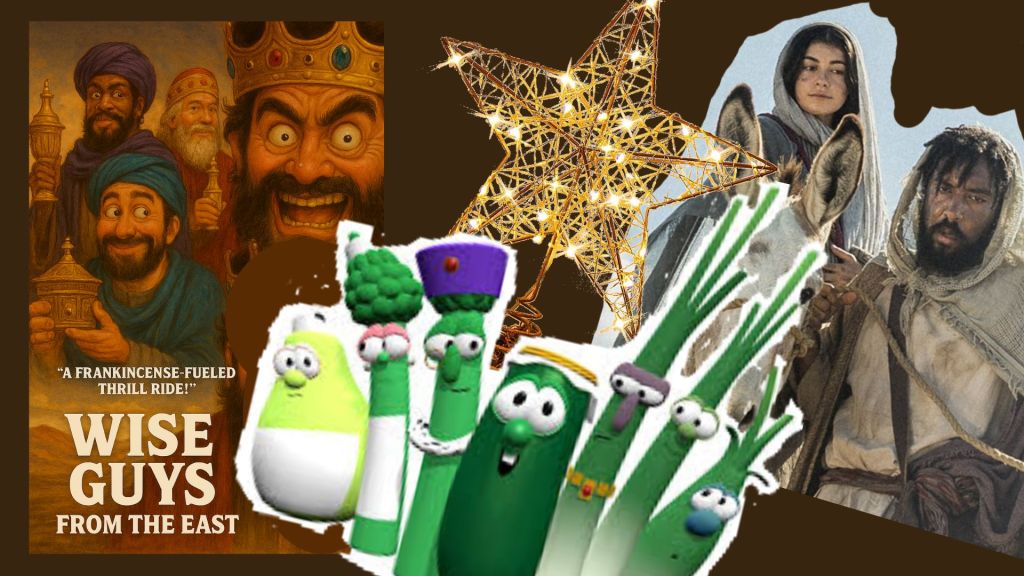
Most nativity displays include a stable, a couple of animals, shepherds, Mary, Joseph, at least one angel, baby Jesus (of course!), and three strange looking men each holding a gift. Three kings, or Magi, or wise guys. But just like we’ve already discovered, our Christmas hymns and traditions have led us astray.
We don’t know their names – sorry Melchior, Caspar, and Balthazar. Nothing in scripture indicates that they were kings. We don’t even know how many there were. At least two. Probably less than ten.
The reason many think there were three visitors is that there are three types of gifts mentioned – gold, frankincense, and myrrh. If there were three gifts, the thinking goes, there must have been three visitors.
Matthew tells us that these men were magi – which means men of wisdom who studied the stars. People in the ancient mid-east believed that the ‘lights in the sky’ were placed there by the Creator and acted as signs foretelling significant events on earth. (Genesis 1:14-19) They used the stars to determine seasons and days and years. The reason these magi traveled from the east to Jerusalem is because they saw a sign in the sky that told them the king of the Jews had been born.
Some scholars believe that they saw the ‘sign in heaven’ as described in Revelation 12:1-6. But where did the wise men come from, and how did they know about Jewish prophecy? Scholars believe that they were from Persia (formerly Babylon) and that the prophecies were learned from Daniel.
Nearly six hundred years earlier, Babylon had conquered the Jews, destroyed the temple, and took many into captivity – including Daniel. As fans of VeggieTales might recall, Daniel rose in prominence and spent a lot of time with the wise guys while in Babylon.
When the eastern astrologers saw ‘the star’ in the right place in the constellations, they would have searched their collection of prophecies and made plans to come and honor this newborn king – which would have taken time.
So, we know they didn’t show up the night Jesus was born. The text says that they showed up at the house (not the manger) and saw the child (not the baby). As we will see later, Jesus was likely a toddler under two-years old.
Our nativity scenes are calm and quiet, but that’s not the picture Matthew’s gospel paints. The Jewish readers of Matthew would have seen several unsettling things in this passage. The wise men were from Israel’s primary historic enemy, Babylon. And after questioning these men, King Herod (placed there by Roman authorities – another enemy of Israel) ordered the slaughter of all the boys in the Bethlehem area who were two-years old and younger. You won’t find that in your average nativity scene!
Then as the slaughter is about to begin, an angel shows up and tells Joseph to go to Egypt, who was second only to Babylon as an enemy of Israel! This is the classic chase scene in any action-packed cinematic thriller!
And those gifts? They were provided through the magi by God so that Joseph and Mary could afford their escape to Egypt. The treasures the wise men brought would pay for their extended stay there, until Herod died and it was safe to return to Nazareth. God provided resources from an archenemy, to rescue this young family from a current enemy, by hiding in the land of another old enemy.
These are things you will never find in a nativity scene, but they make for a thrilling ride!
If you’d like to read the whole Christmas story as it unfolded more than 2,000 years ago, check the first blog in this series for a list of scriptures. If you have questions, feel free to reach out—I’ll do my best to answer.
Return tomorrow for: Who Is This Herod You Speak Of?




 curtferrell.com
Leave a reply to You Want Me to Put the Baby WHERE? – curtferrell.com Cancel reply